

The rise of e-learning can be traced back to the global outbreak of COVID-19. In 2020, the world witnessed a dramatic transformation in education — learning shifted from the traditional classroom to digital spaces, both online and offline, synchronous and asynchronous.

Education became more individualised, self-paced, and personalised. The need for constant teacher presence began to decline as learners became increasingly autonomous, taking responsibility for their own learning journeys. Students no longer needed to depend solely on a physical teacher to access information, explore new ideas, or acquire practical skills.
Since 2020, e-learning has continued to evolve, adapting to new technologies and pedagogical innovations. What began as virtual lessons and online classes has now expanded to include artificial intelligence (AI), augmented reality (AR), and virtual reality (VR), creating immersive learning experiences that engage learners like never before.
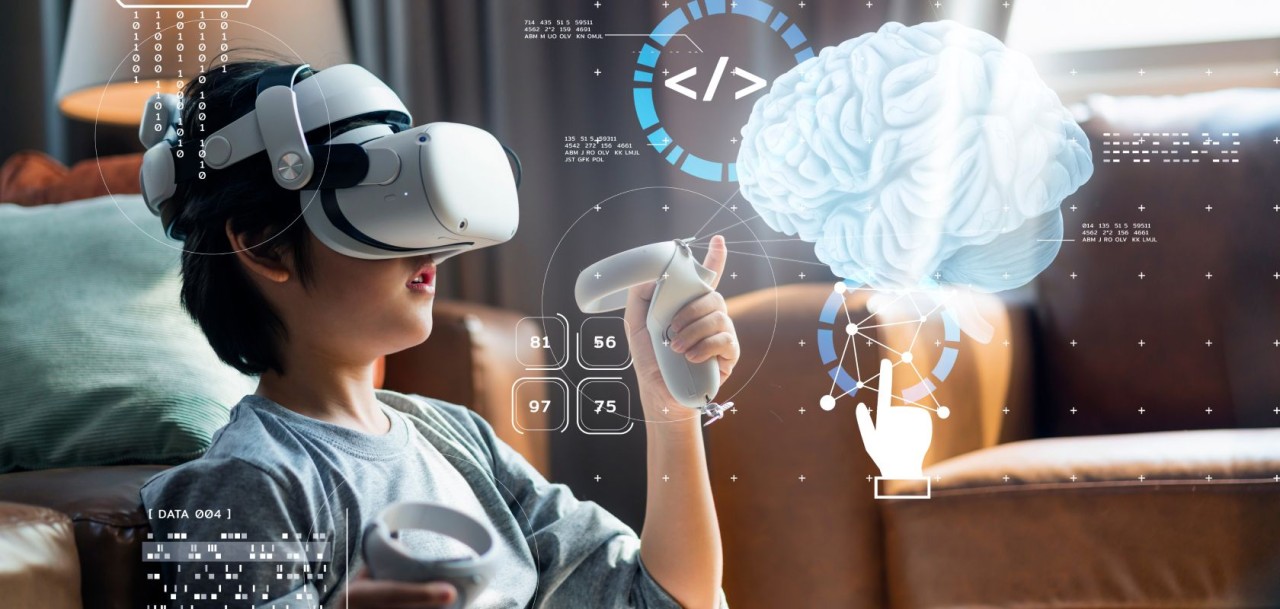
Today’s digital learners are not just passive recipients of knowledge — they are active participants, exploring learning through gamified activities, interactive scenarios, simulations, and personalised storytelling. These approaches make learning not only more engaging but also more effective and meaningful.
As technology continues to advance, one thing is clear: e-learning is not just a temporary shift — it is the future of education. It has come to stay, and it will continue to shape how learners learn, teachers teach, and institutions innovate in the years to come.